
Chapter 3
Tool 1:
The five key elements of global leadership
– ”global warm-up” and icebreaker
TOOL 1
Why: If you as a leader or a leadership group have not previously thought explicitly about the challenges posed by your leadership tasks, it may be hard to know where and how to begin and end. Some people may give up altogether and simply conclude that ”it’s just in the nature of leadership”. True enough, but there may be good reasons to raise the bar and look more at what may be special about global leadership.
What: To broaden people’s horizons in this way, the Global Leadership Academy has used a ”global warming” (or rather warm-up) exercise based on the model of ”The five key elements of global leadership”. This an experience-based dialogue tool which is used with the model as an ”icebreaker” to structure and maintain the focus in discussions of global leadership, which could otherwise get side-tracked or go down blind alleys, losing the way back to the main theme that can pull all the threads together. And without a shared conception of what we are actually talking about, it will be hard to develop our global readiness.
Who: Use the model for individual reflection or with your management colleagues in workshops or team/staff meetings where global leadership and collaboration are on the agenda. You can download the model as a PowerPoint from the GLA website and use it at your next meeting.
The model of ”The five key elements of global leadership” outlines the basic principles of global leadership, as seen slightly from above and contrasted with what we might call, for want of a better term, ”everyday leadership”. The point is that the five key elements can form the basis for a discussion of the necessary readiness for global leadership in the individual company or team or in the individual manager:
Each of the five elements of the model is discussed below, accompanied by questions for reflection which you can use as global ”icebreakers” or opening lines to kick off the debate. It is worth noting that the five elements are not sharply delimited; on the contrary, they are interconnected and influence each other.
An essential prerequisite for success in global leadership is for the global leader to stand on firm foundations grounded in solid management experience and to be equipped with a toolbox filled with all the tools and processes that are also used in traditional (locally oriented) leadership.
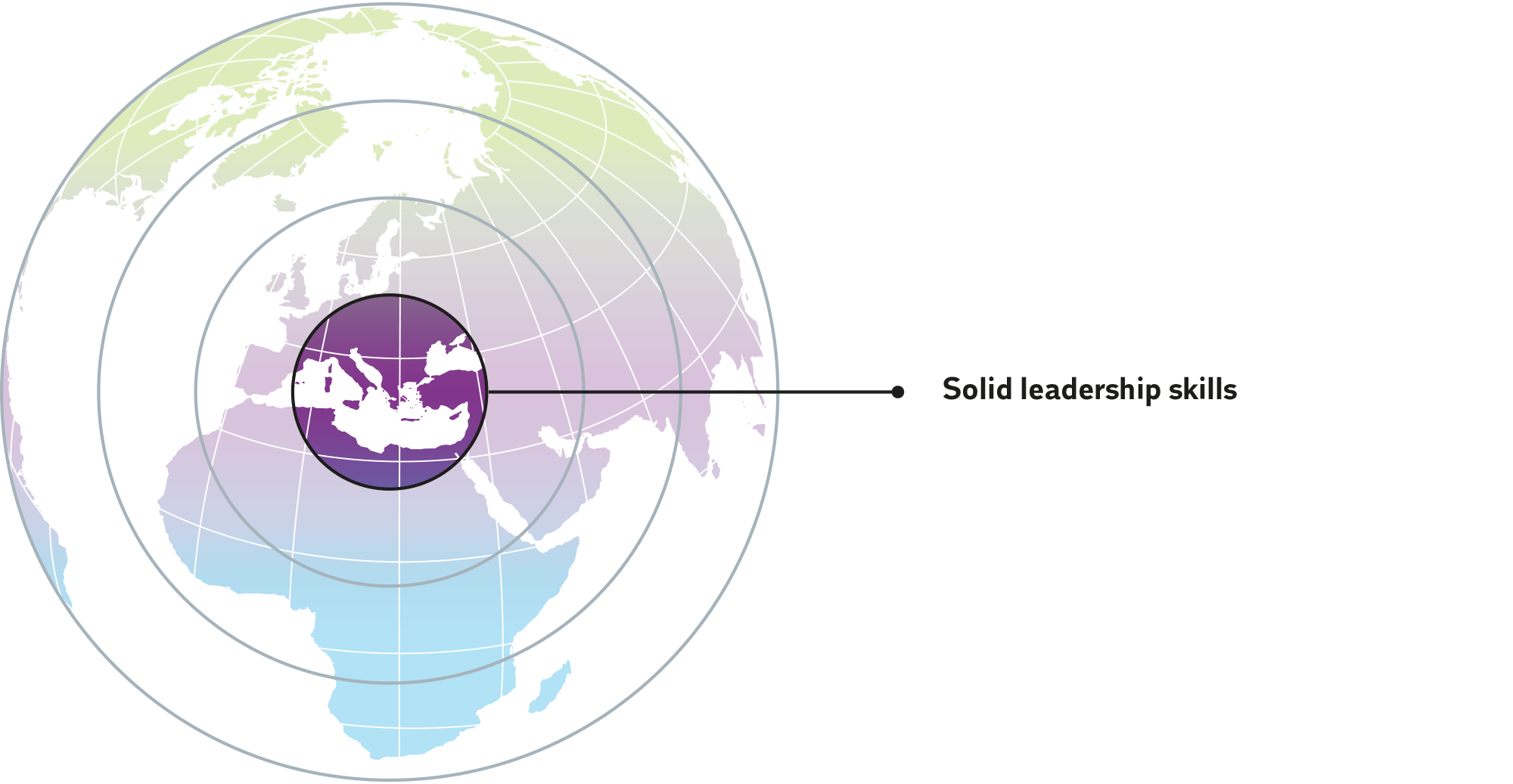
Figure 1.1: The five key elements of global leadership #1: Solid leadership skills
This means, for example, the ability to formulate clear and understandable objectives, to follow up on employees’ performance and give constructive feedback and feedforward, to motivate staff, produce resource plans, communicate, create meaning, practise situational leadership, manage relationships etc. If the global leader does not have a solid foundation to stand on, it may be hard to apply the same skills effectively and flexibly in a global context, in new and unaccustomed situations, and together with people with quite different attributes and backgrounds from the global leader him/herself.

Where are you particularly strong in the traditional leadership disciplines?
How does this help you in the business of global leadership?
Are there areas where you could usefully be even stronger?
What effect would it have on your ability to succeed in your global leadership role?
Are there role models inside or outside your organization who can inspire you?
Apart from having a solid grasp of the traditional leadership tasks, the global leader needs to have a ”glocal” mindset, which forms the next ring around the solid leaderships skills at the centre:
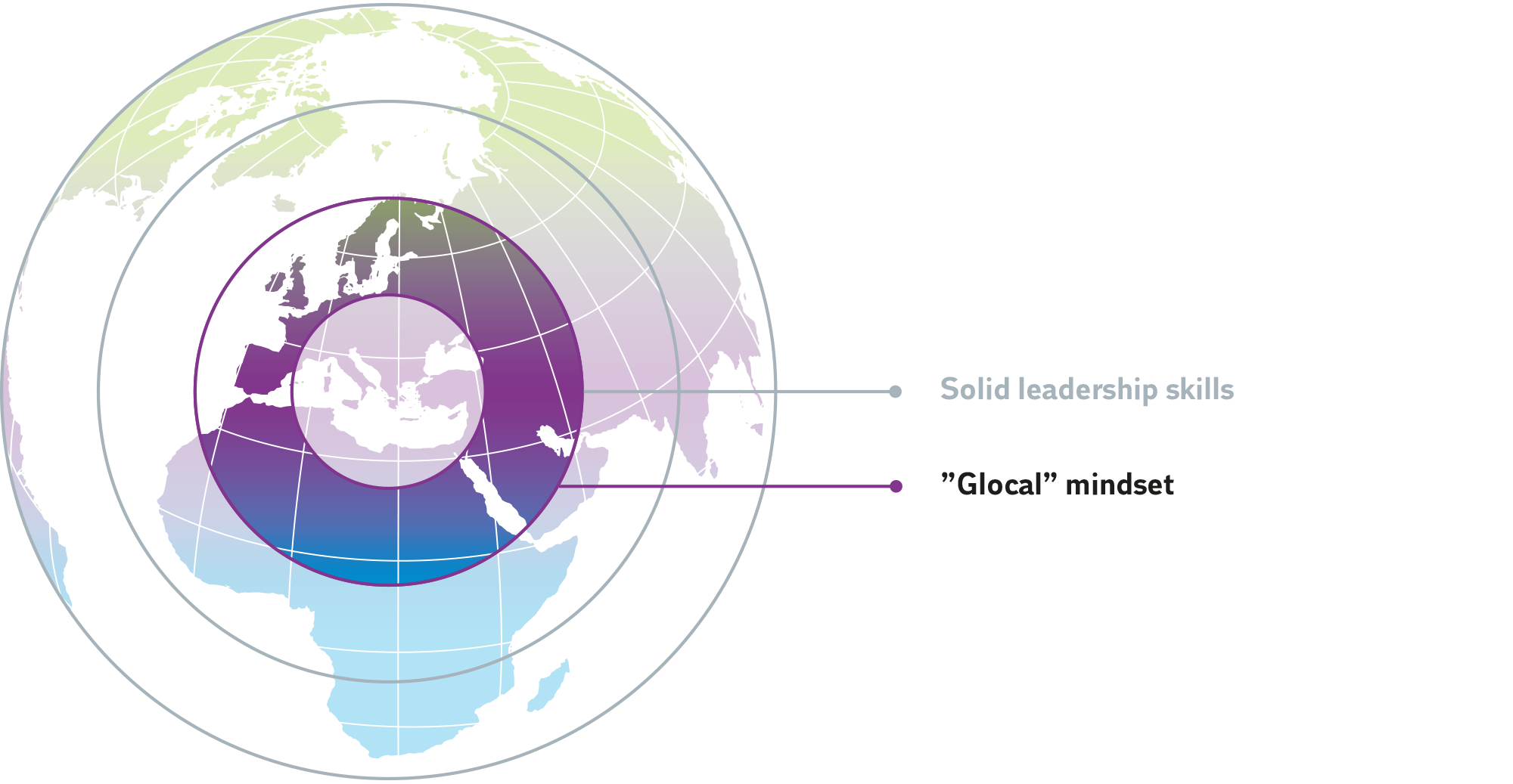
Figure 1.2: The five key elements of global leadership #2: ”Glocal” mindset
A ”glocal” mindset is about possessing a global mindset, but in such a way that the local level is also valued and acknowledged; in other words, the global leader needs to understand the simultaneous need for global integration and local sensitivity and work to reconcile this duality. This involves an appreciation of both diversity and uniformity, and a realization that innovation and best practice can emerge anywhere in the organization (and not just at head office).
Business and growth opportunities are increasingly arising in markets that may only ”roughly” match the company’s existing core competence/governance model and teamworking and management practice. This creates a need to be able to handle complex and often incompatible objectives. The global leader needs to be able to overcome the paradox inherent in being able to think and act both locally and globally at the same time.
To what extent do you have a particular need to balance local and global needs and interests?
In which areas do you have a particular need to balance local and global needs and interests?
What challenges are there in striking a balance?
In which areas do you have good experience of balancing local and global needs?
What could you do differently to create a better balance between the local and the global?
Apart from a solid grasp of traditional leadership skills and a ”glocal” mindset, global leaders have to be able to adapt their leadership style to produce results in many different situations and contexts. In other words, they need to be agile, flexible and adroit in the way in which they apply their leadership skills. The exercise of global leadership is generally based around the same challenges as traditional local leadership, and on top of these the global leader then faces a number of challenges that arise out of the increased complexity associated with the global dimension. As global leadership is not simply traditional local leadership practised in a different context, global leaders need to be constantly developing their leadership skills and mindsets.
Global managers have to be able to move and navigate between different business environments and among the many different backgrounds and motives of their staff in order to get the job done. This calls for very different approaches and actions if the global leader is to succeed in this task.
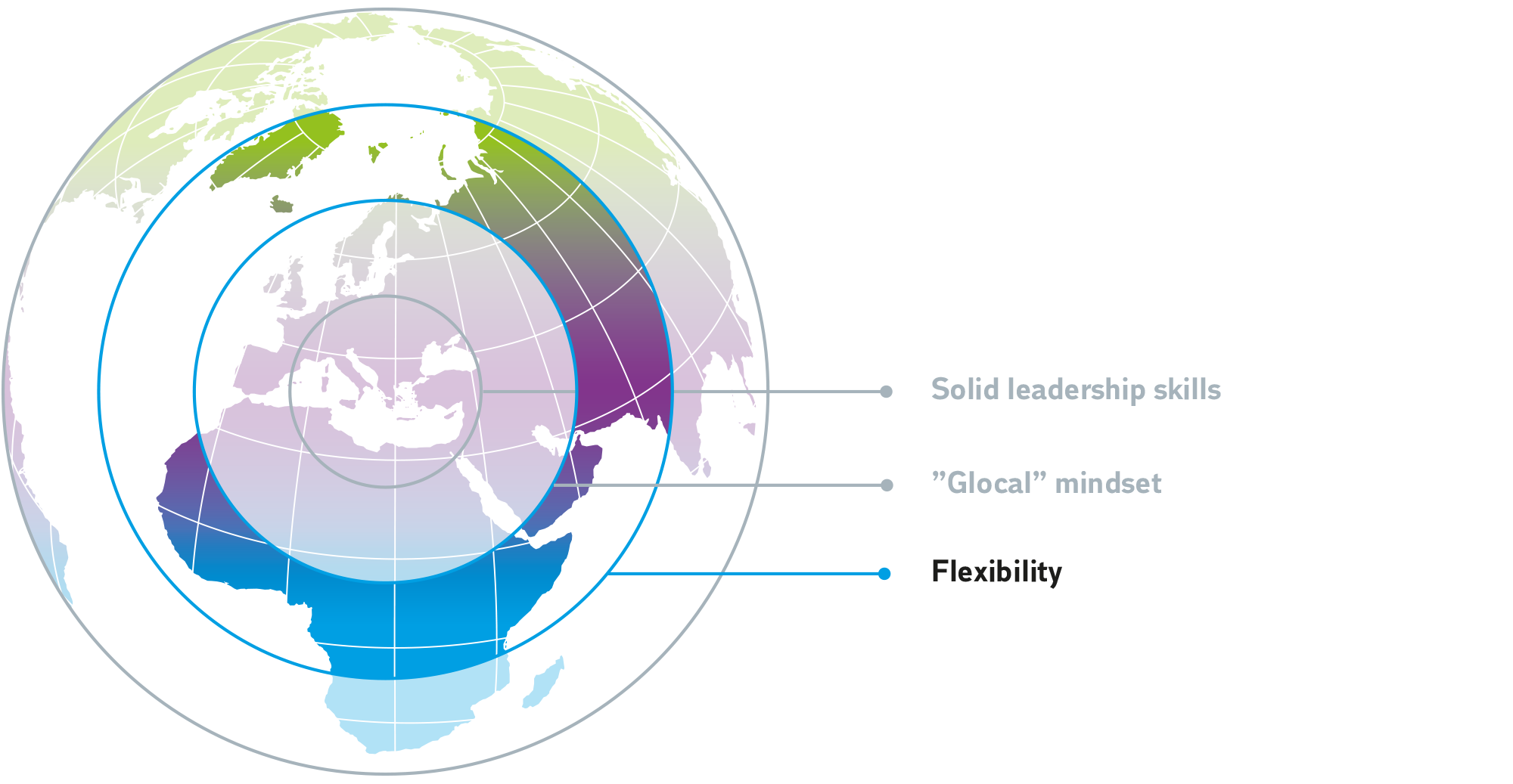
Figure 1.3: The five key elements of global leadership #3: Flexibility
As we all know, it is not necessarily the strongest or the cleverest who survive; it is the most adaptable who come through in the long run. Flexibility and agility are needed, for example, to be able to switch quickly and seamlessly between different environments, situations and demands. The point here is that the increased complexity that often accompanies the leadership role in global businesses calls for greater willingness to learn and more mental suppleness. What constitutes good leadership in one context may be disastrous in other situations.
Think of situations where you needed to display flexibility in a global leadership context.
Are there situations in which your flexibility as a leader has been particularly stretched?
What worked really well in these situations?
How can you use this to inspire you in the future?
Some global leaders find that they have to do more than usual to deal with physical separation and particularly to build bridges across divides in the form of time zones and different locations, cultures and objectives in the global organization. Others add that there is a need to consider one’s approach and do something new and different to achieve the same result as before. In both cases, it comes down to making an extra effort, ”going the extra mile” in the mental as well as the literal sense, in order to build bridges over the differences and potential chasms that make global leadership so complex:
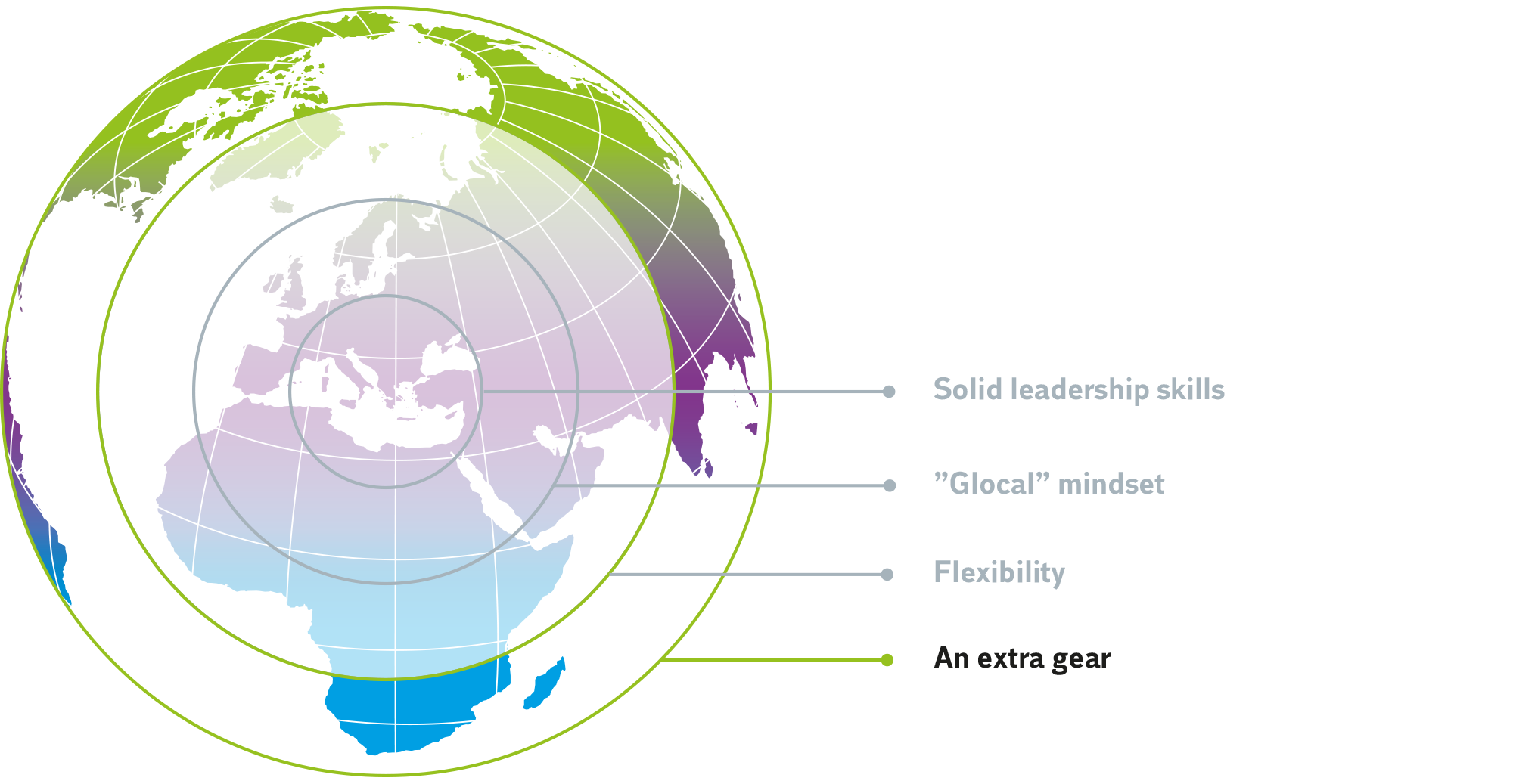
Figure 1.4: The five key elements of global leadership #4: An extra gear
Having an extra gear can take many different forms. For example, working in a global context calls for more in the way of communication to bridge geographical, emotional and social distance. Moreover, there are often many days of travel involved in a global leadership role, which demands some flexibility with regard to working hours; both in terms of the number of hours worked by the global leader and the time of day when the work is done. Often, global leadership will also call for some adaptation of the individual manager’s style – the leadership style which worked well with a group of employees from the same cultural background as the leader may not be so effective with a group from a different cultural background.
Typically, global leaders cannot simply fall back on ”what they have always done” as an approach to their work. All of the experience that they have from local leadership activities has to be ”translated” to a global context. And it takes time and resources to adapt one’s leadership style – when we switch off the autopilot, we have to put our minds to adjusting our approach and devising a new strategy. We may not always succeed at first with the new behaviour, which further complicates the job and calls for extra effort.
What does your role demand in the form of extra structure and discipline and special effort to manage expectations in relation to:
In what areas do you find that different conditions raise a need for extra effort?
What could you do better?
We need time for reflection and time to build up, develop and maintain our global leadership skills. The vital need in global leadership is for the global leader and/or leadership team to maintain their global readiness and be able to see themselves from the ”other person’s” viewpoint. Reflection is about learning from the challenges faced and experience gained in the leadership role.
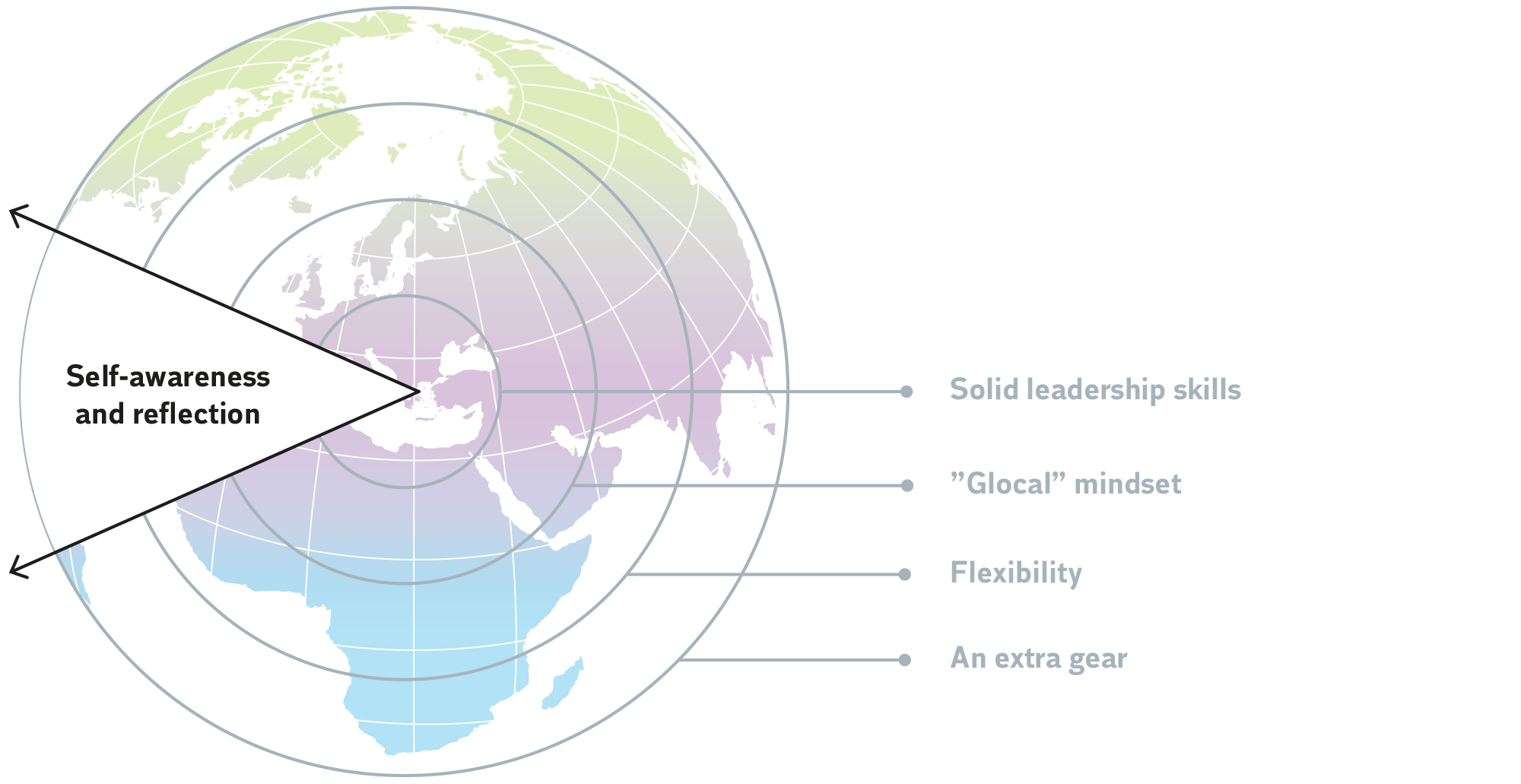
Figure 1.5: The five key elements of global leadership #5: Self-awareness and reflection
This vital need comes down to an individual or collective reflection on how this can be achieved and not least incorporated into an already hectic working life. Although global leaders are increasingly being offered training activities on (global) leadership, many are looking for a more agile design that matches the agility demanded in their work. Just-in-time development meetings and brainstorming problems require the individual leader to be proactive in terms of building up a network of sparring partners who can be contacted at any time (without blowing the whole schedule apart). In other words, there is a need to incorporate reflection on global leadership into the diary.
You can also run through the following steps in relation to your personal leadership as a way to kick off discussions with others:
Ideas for discussion of the situation in your particular leadership role or in the overall leadership team:
How do you make time and space for personal reflection in your day-to-day work?
How do you make time and space for reflection in your team/organization?
How can you incorporate pauses for thought and agile reflection into the activities you already have in your diary?
Who can you call upon as sparring partners?
What can you yourself do? And is there anything your organization can do for you?
Straub-Bauer, A. (2014). Leadership in a global context is first and foremost hard work. GLA Insights, September 1, 2014.
Lauring, J. & Klitmøller, A. (2015). Danish Leadership Style in a Global Context. Copenhagen: Global Leadership Academy – Danish Confederation of Industry and Copenhagen Business School.
Storgaard, M. & Smith, I. S. (2012). Designing Organizations with a Global Mindset. Copenhagen: Global Leadership Academy – Danish Confederation of Industry and Copenhagen Business School.
Lauring, J.; Klitmøller, A. & Normann, J. (2014). Global Leadership Competencies for the Future. Global Leadership Behaviour. Global Leadership Academy – Danish Confederation of Industry and Copenhagen Business School.
Lauring, J. & Klitmøller, A. (2014). Global Leadership Competencies for the Future. Virtual Collaboration. Global Leadership Academy – Danish Confederation of Industry and Copenhagen Business School.
Nielsen, R.K. (2014). Global Mindset as Managerial Meta-competence and Organizational Capability: Boundary-crossing Leadership Cooperation in the MNC. The Case of ”Group Mindset” in Solar A/S. Doctoral School of Organization and Management Studies, PhD Series; 24, 2014.